AI isn’t “coming.” It’s already changing how companies operate, hire, and compete. For Gen W investors, the point isn’t to chase hype. It’s to understand what’s shifting in the real economy and use that as a smarter lens for long-term research.
What’s Changing, in Plain English
Most disruption won’t look like “jobs disappear overnight.” It looks like tasks getting re-arranged. Some work gets automated, some roles get upgraded with new tools, and new job categories show up as companies rebuild how they deliver products and services.
The World Economic Forum’s Future of Jobs Report 2025 describes AI and data technologies, the green transition, and demographic shifts as major forces shaping labor markets through 2030, including changes in skill needs across many roles.
For markets, that matters because it can affect productivity, hiring costs, and how quickly a company can adapt. But it rarely moves in a straight line.
A Simple Way to Think About “Future of Work” Investing
Instead of trying to guess one “winner,” it can help to separate the theme into two parts.
1) Enablers (the infrastructure layer)
These are the tools that help companies run modern operations, things like AI and data workflows, cloud collaboration, cybersecurity, and automation.
When businesses treat these tools as essential, not optional, you may see more durable demand, even if the economy slows.
2) Beneficiaries (sectors with long-run demand tailwinds)
These are sectors where demand can be supported by longer-run forces.
Healthcare is often discussed in this context because demographic trends can sustain need for services over time. The green transition is another example, as investment and regulation can push new spending toward energy systems, efficiency, and related supply chains.
The Risk Reality
Disruption is uneven. Some roles and industries are far more exposed to automation than others, and that can create second-order effects:
- wage pressure in scarce-skill areas
- retraining and integration costs
- regulatory shifts
- changes in consumer demand
OECD research highlights that automation risk varies across the workforce, which is one reason broad themes can play out differently across countries and industries.
A Research Mindset That Stays Compliance-Friendly
A disciplined approach can be as simple as three questions:
- What is changing?
- Who gets paid because of it?
- What has to go right for the investment to work?
That means looking beyond “AI-powered” labels and focusing on adoption evidence, business fundamentals, and how competitive the space is. It also means respecting valuation: a strong theme can be real, while expected growth is already priced in.
Bottom Line
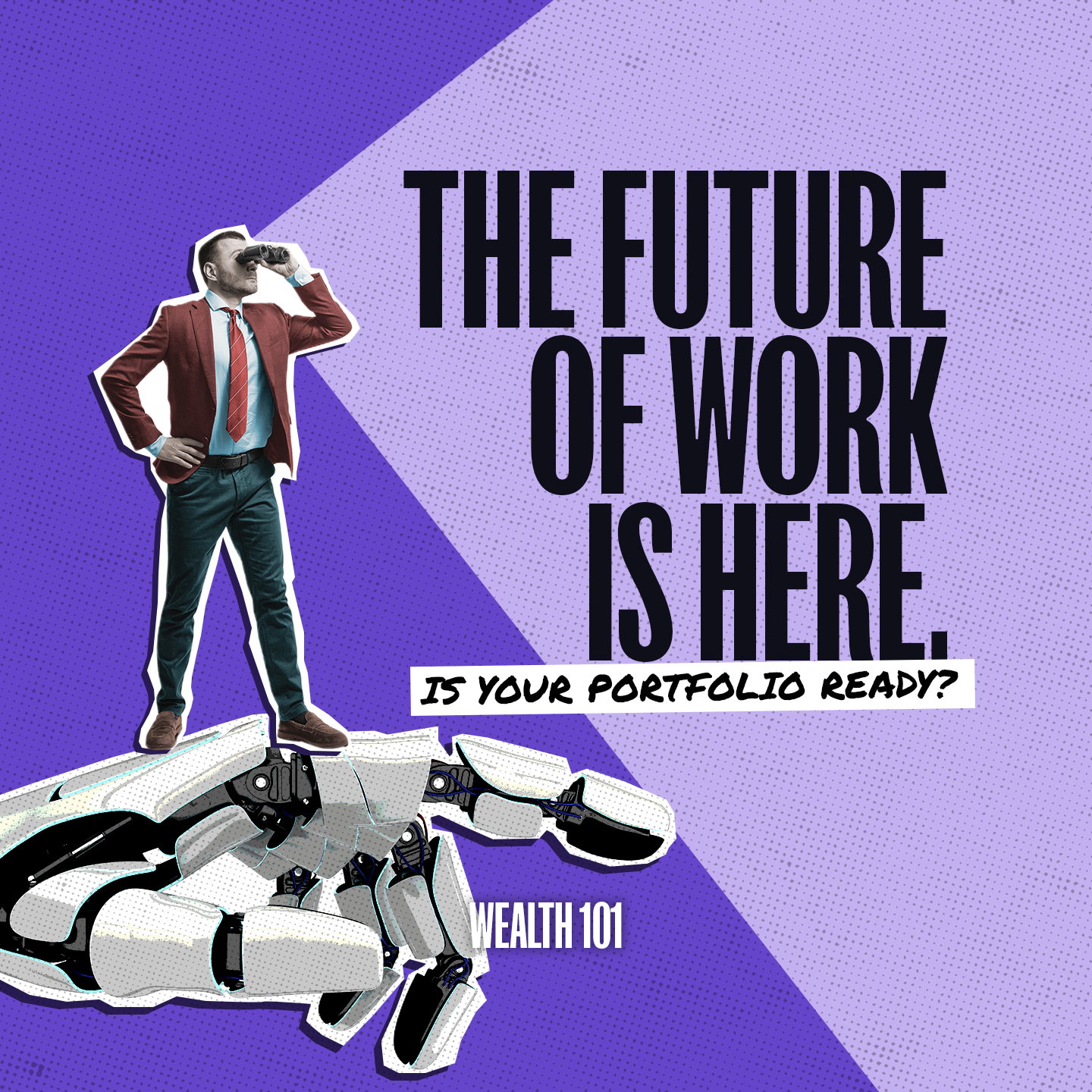
The future of work is here, but investing in it is not a shortcut. The smarter move is to use the trend as a research framework: understand the shift, map the ecosystem, and stay diversified and long-term focused.
Discover managed portfolios: siebert.com/genw
References
Disclaimer:
The information provided here is for general informational purposes only and should not be construed as professional tax advice. Tax laws and regulations are complex and subject to change. For personalized advice tailored to your specific situation, it is always recommended to consult a qualified tax professional or accountant who can provide expert guidance based on your individual circumstances.





 Siebert Financial (800)872-0444